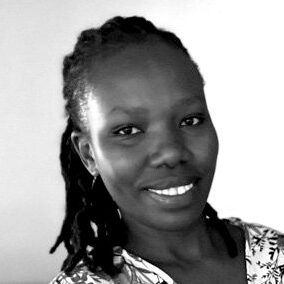
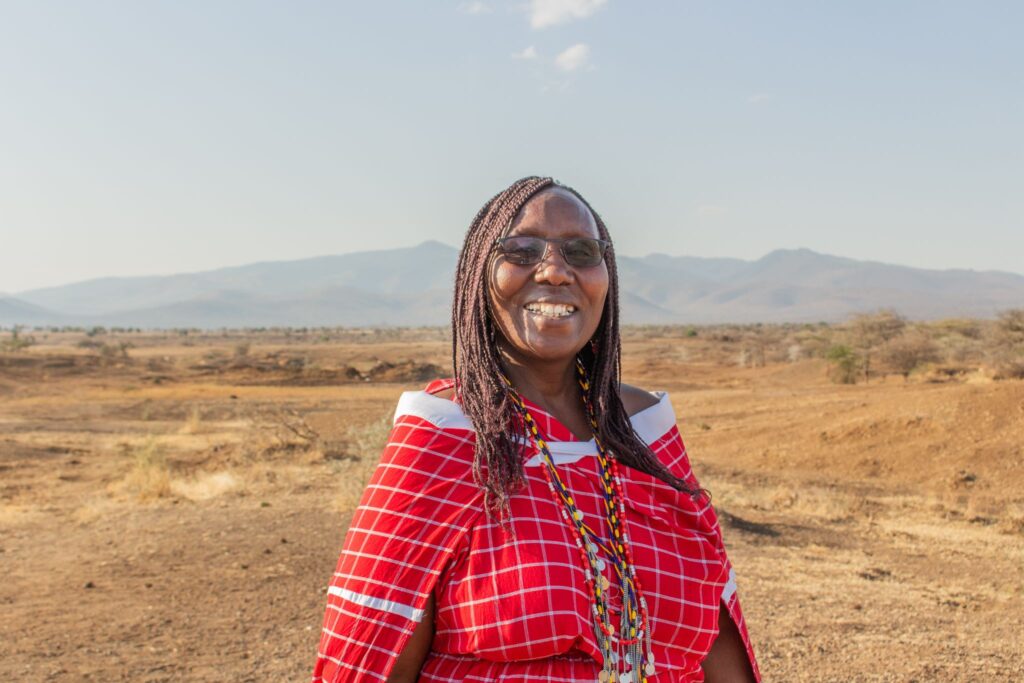
Maanda Ngoitiko was only 12 years old when her parents began pressuring her to drop out of school and marry. Attending school had been difficult already: her family’s nomadic Maasai lifestyle involved walking long distances across the remote Ngorongoro region of Northern Tanzania, and she often went without food.
Maanda refused her parents’ wishes for three years, but at age 15 she had to run away from home to avoid marriage. She was able to continue education thanks to support from a local Member of Parliament, who was impressed by her courage at a time when few girls in her community dared defy their fathers. Maanda never looked back after that: scholarships enabled her to complete secondary school, then a development studies course in Ireland, then an environmental studies degree in Kenya.
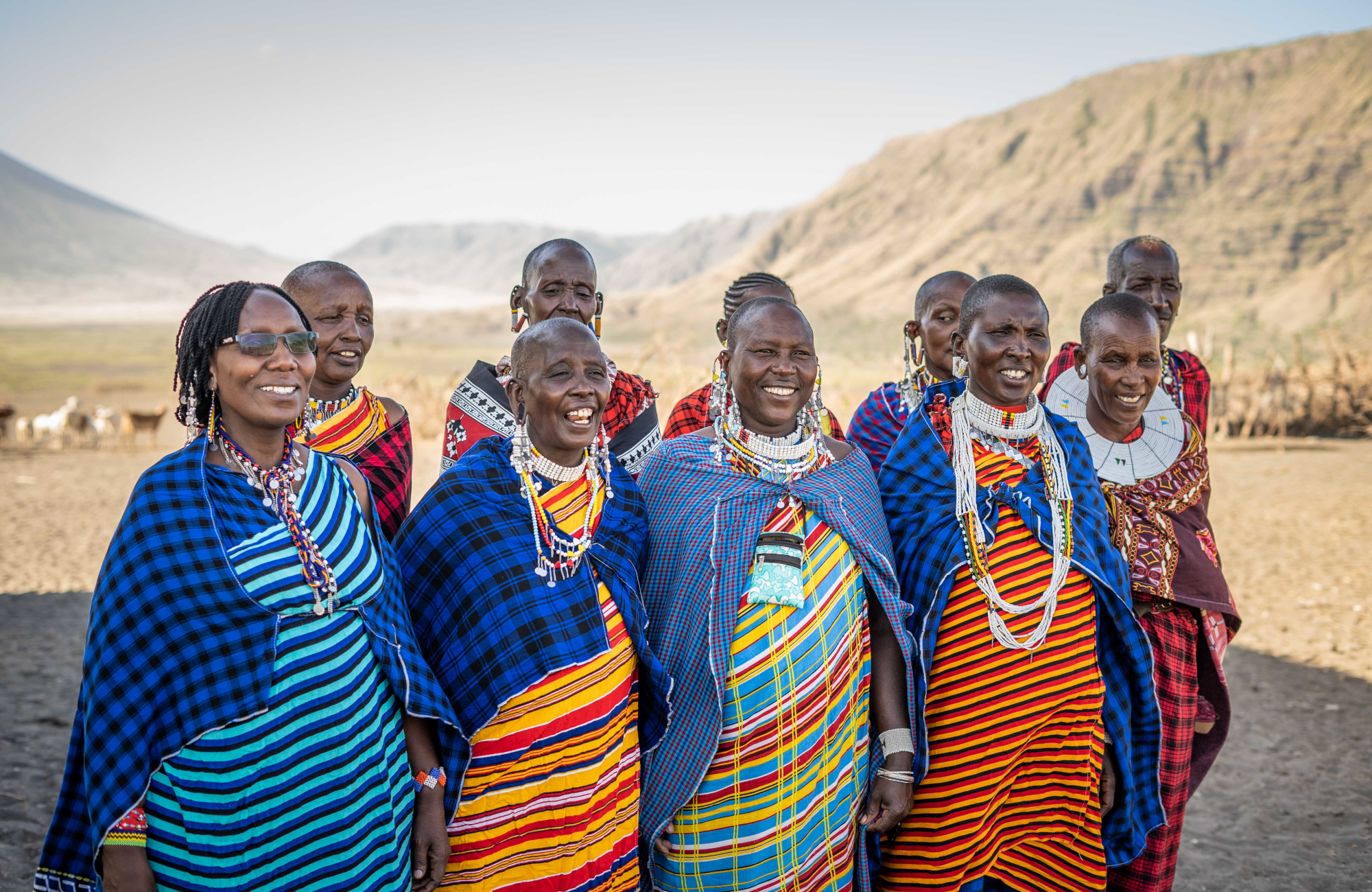
In 1997, Maanda and nine other Maasai women co-founded the Pastoral Women’s Council (PWC). Determined to ensure that their community’s next generation of Indigenous pastoralist women could become self-reliant and live with dignity, their work began by persuading parents to send their daughters to school. They went on to establish a safe-haven school for girls who need to escape gender-based violence and forced marriage, and PWC has since helped tens of thousands of Indigenous women and girls in Tanzania escape violence, win leadership positions, and secure legal title to their land.
PWC also arranges meetings between women groups and government authorities to create forums for sustainable change, and has campaigned for pastoralist areas to be recognised as ICCAs, a UN abbreviation for Indigenous-managed protected areas. PWC has established grass seed banks to regenerate Indigenous pastures, and has provided tens of thousands of Indgenous pastoralists with access to freshwater.
Maanda’s achievements have earned her international recognition and awards, including for her work advancing climate adaptation. These achievements may not have been possible without early help from philanthropic organisations. Today, with over 8,000 registered members, PWC continues to rely on charitable donations for its work.
In a year when international development funding has been cut by tens of billions of dollars, PWC has participated in research by the Women in Global South Alliance (WiGSA), to ensure that philanthropic grants are accessible to other women’s groups on the frontlines of climate resilience.
The Gender Funding Gap
WiGSA’s new research included Indigenous, Afro-descendant and local community women’s organisations across more than 60 countries. Its conclusions are alarming: 53% have little to no core or flexible funding. Most survive on short-term project grants of less than two years. One in three cannot operate beyond six months without external support. Women’s groups depend on volunteer labour, stretching themselves thin while carrying enormous responsibilities for their communities.
Afro-descendant women’s organisations face a particularly steep uphill battle; their budgets average less than half of those of Indigenous or local community groups. These findings are indicators of systemic racial and gendered neglect that undermines women’s rights, weakens climate action, and erodes hard-won community resilience.
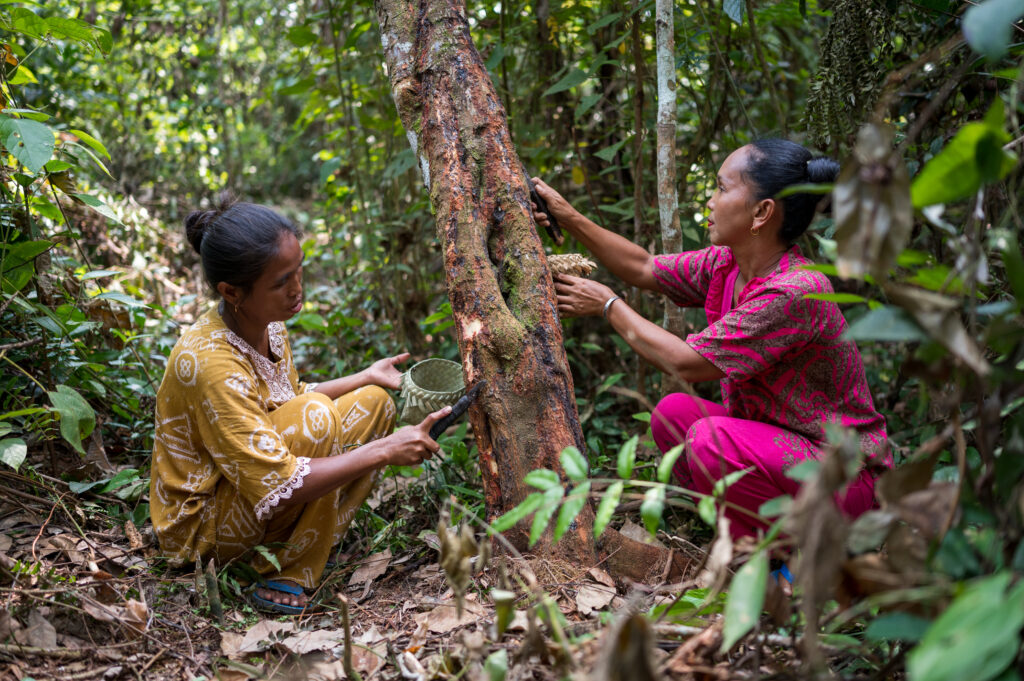
Another organisation cited in the report is the Association of Indigenous Women of The Archipelago (PEREMPUAN AMAN), founded in 2012 as a wing of Indonesia’s largest Indigenous Peoples’ organisation. Its activities range from research and documentation of Indigenous women’s knowledge and practices to training them in local politics, advocacy, forest economics and sustainable conservation.
Most of PEREMPUAN AMAN’s funding is tied to specific outcomes and activities, limiting its staff’s job security and restricting opportunities for organisational development. Without a formal fundraising department, the organisation’s finances are largely reliant on its leadership’s connections with funders. This is a significant systemic flaw within the funding ecosystem, where impact is sidelined: many community groups and NGOs become dependent on single individuals who are able to navigate the required complex networks of personal relationships and bureaucratic reporting.
The Moment to Act
Too often, donors’ gender strategies remain superficial, added as afterthoughts rather than embedded at the core of funding mechanisms.
In 2021, governments and philanthropic donors promised to spend $1.7 billion on advancing Indigenous and local community land rights. By the end of 2024, 79% of this funding committed by The Forest Tenure Pledge – more than $1.3bn – had been disbursed. The programme is set to expire in 2025, and a replacement is anticipated at this year’s conference in Brazil, COP30.
If the Forest Tenure Pledge was meant to close historic gaps, then the new Pledge must be gender responsive, to ensure that women’s groups are included. The credibility of these commitments depends on whether they address women’s realities.
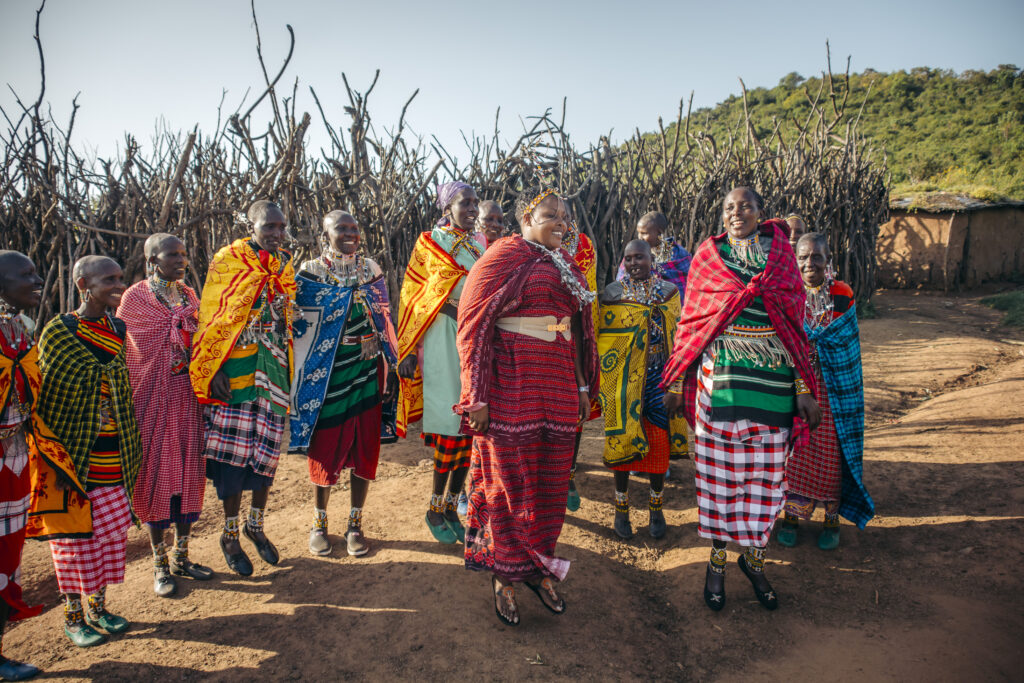
WiGSA’s research shows that many of the structural barriers women face are within funders’ power to dismantle. Donors must move beyond rigid, short-term project grants toward flexible, institutional, and long-term support. Establishing dedicated funding lines for women’s organisations and making multi-year commitments the norm would provide the stability needed for strategic planning, talent retention, and leadership development.
For grantees to make the most of these reforms, foundations should seek genuine collaboration, rather than dictating priorities from afar. Community suggestions have long been ignored that could transform funder-recipient relationships for the better, saving both parties time and producing more impactful outcomes – for example, using a ’reverse call for proposals’, a method that allows women’s groups to set the agenda. Simplifying application and reporting and using local languages or oral reports would also make funding far more accessible and effective.
WiGSA’s research also underscores the urgency of investing in intersectional justice. Climate, racial, and gender justice are inseparable, yet there is a near-total absence of funding for racial justice initiatives in the Global South, particularly amongst Afro-descendant women’s organisations. Addressing this gap is essential if climate finance is to be truly equitable and effective.
Finally, funders must be more flexible with methods of measuring impact. Standardised, quantitative reporting often misses the real markers of change, such as shifts in power dynamics, political participation, or community trust. By co-designing monitoring frameworks with women’s organisations, donors can ensure that impact reflects lived realities. Creating dedicated funds for capacity-building, infrastructure, and fair compensation would give women’s groups the basic tools to sustain their work and scale their impact.
We have both worked for decades alongside Indigenous, Afro-descendant, and local community women like Maanda Ngoitiko as they defend their lands in Latin America and Africa. We have seen how communities rely on women as knowledge keepers, food producers, and forest stewards, carrying generations of wisdom on how to restore and sustain ecosystems. Women’s work is pivotal to climate justice, and funding must be reformed and delivered in ways that honour their leadership and knowledge.
The women we work with in WiGSA are already building just, sustainable futures on shoestring budgets and against systemic odds. Imagine what they could achieve with adequate, equitable support. As the world looks to COP30 in Brazil, donors must seize the moment to close the gender funding gap. To delay is to risk losing a generation of women leaders, and with them, our best chance at a just and climate-resilient future.
Read WiGSA’s full report by clicking here.
Namnyak Sinandei is an Indigenous Maasai woman, medical doctor and gender expert based in Arusha, Tanzania. She is a member of WiGSA and Deputy Head of Programmes at the Pastoral Women’s Council, which strengthens women’s movements by supporting their leadership and fight against gender-based violence.
Omaira Bolaños is a Program Director at the Rights and Resources Initiative. She has over 26 years of experience working with Indigenous Peoples, Afro-descendant Peoples, local communities, and women’s organisations across Latin America, Africa, and Asia.