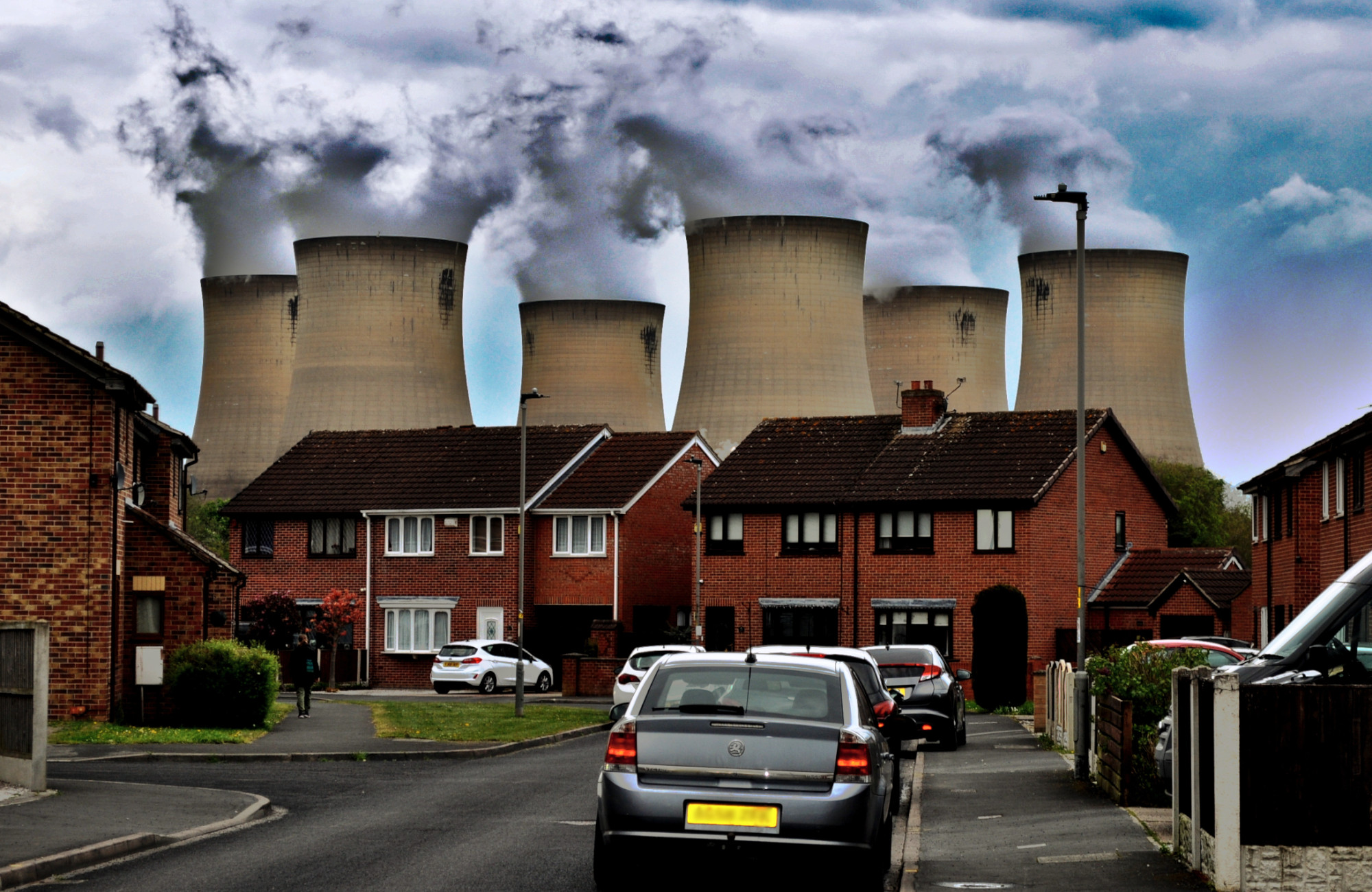
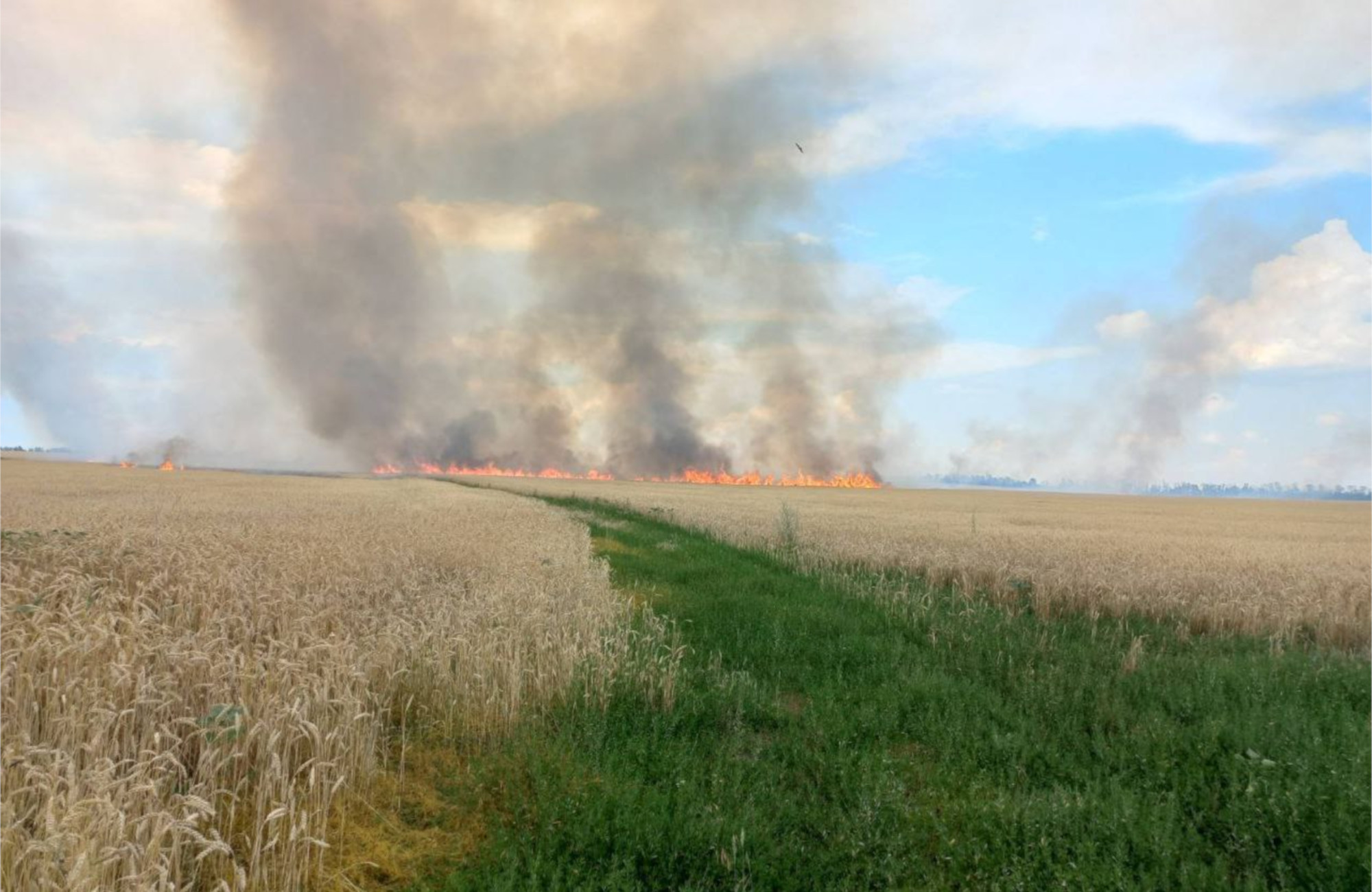
The UK's largest power plant is facing worker lawsuits after the national health and safety regulator dropped criminal charges over biomass dust in 2023, a Land and Climate Investigation can reveal.
In an excerpt from their new book, Dana Zartner, Fabian Cardenas, and Mohammed Golam Sarwar reflect on the most famous case of nature being granted legal personhood.
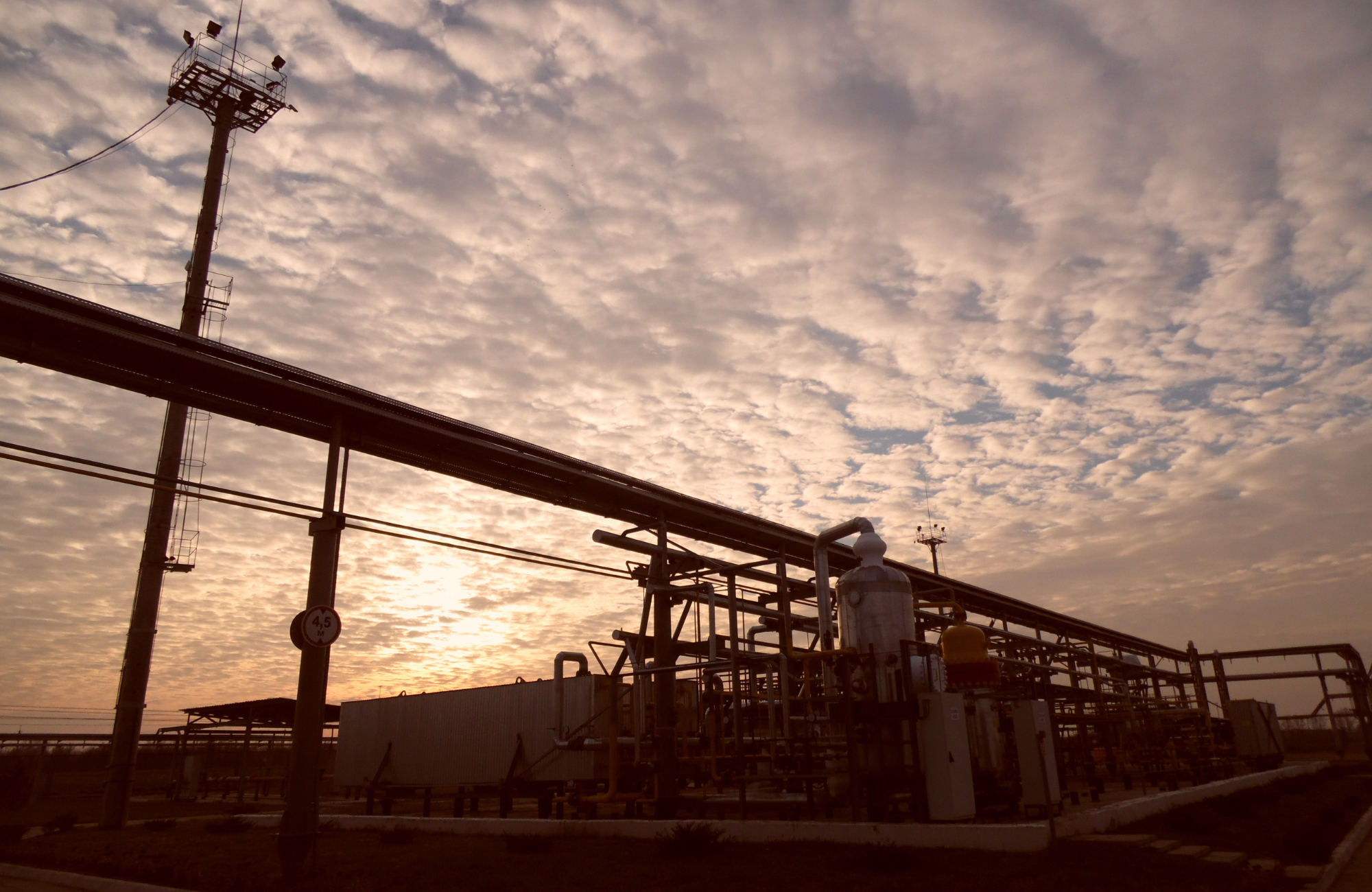
Exxon owes the people of Groningen millions in compensation for damage caused by gas extraction. Thanks to a legal instrument, it could be the residents of the province that end up compensating the fossil fuel giant.
Camille Corcoran talks to experts about investor-state dispute settlements, which allow fossil fuel companies to bring multi-billion dollar lawsuits against countries that pass green policies.
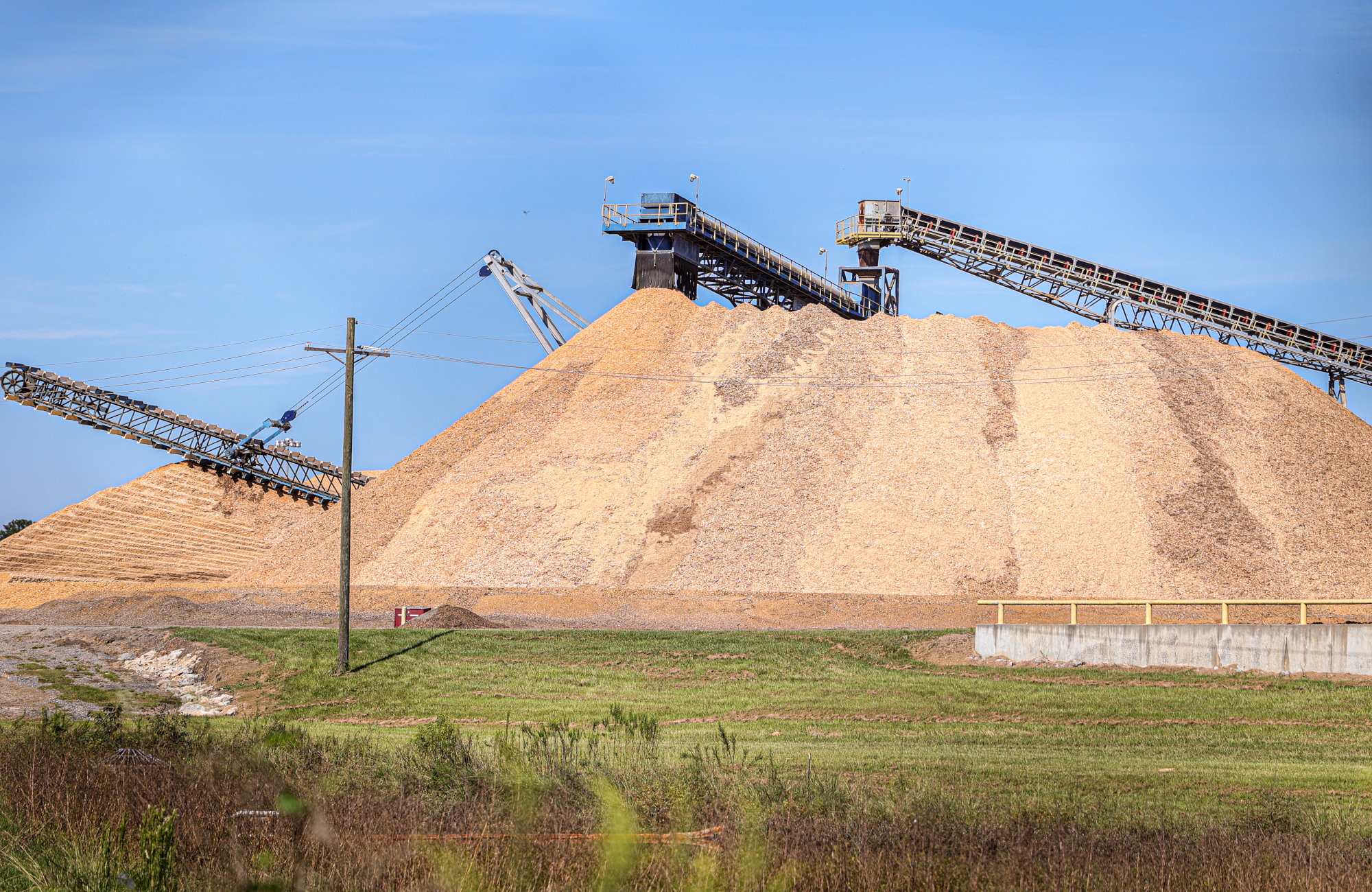
Drax “must be held accountable,” says US Senator for Maryland Chris Van Hollen, after The Times and Land and Climate Review reveal the bioenergy company violates US regulation an average of five times per day.
This month, the British power company has been issued another fine in Mississippi, with additional penalties expected in Louisiana. In collaboration with The Intercept, Land and Climate Review talk to experts and locals about Drax's operations in the US Southeast.
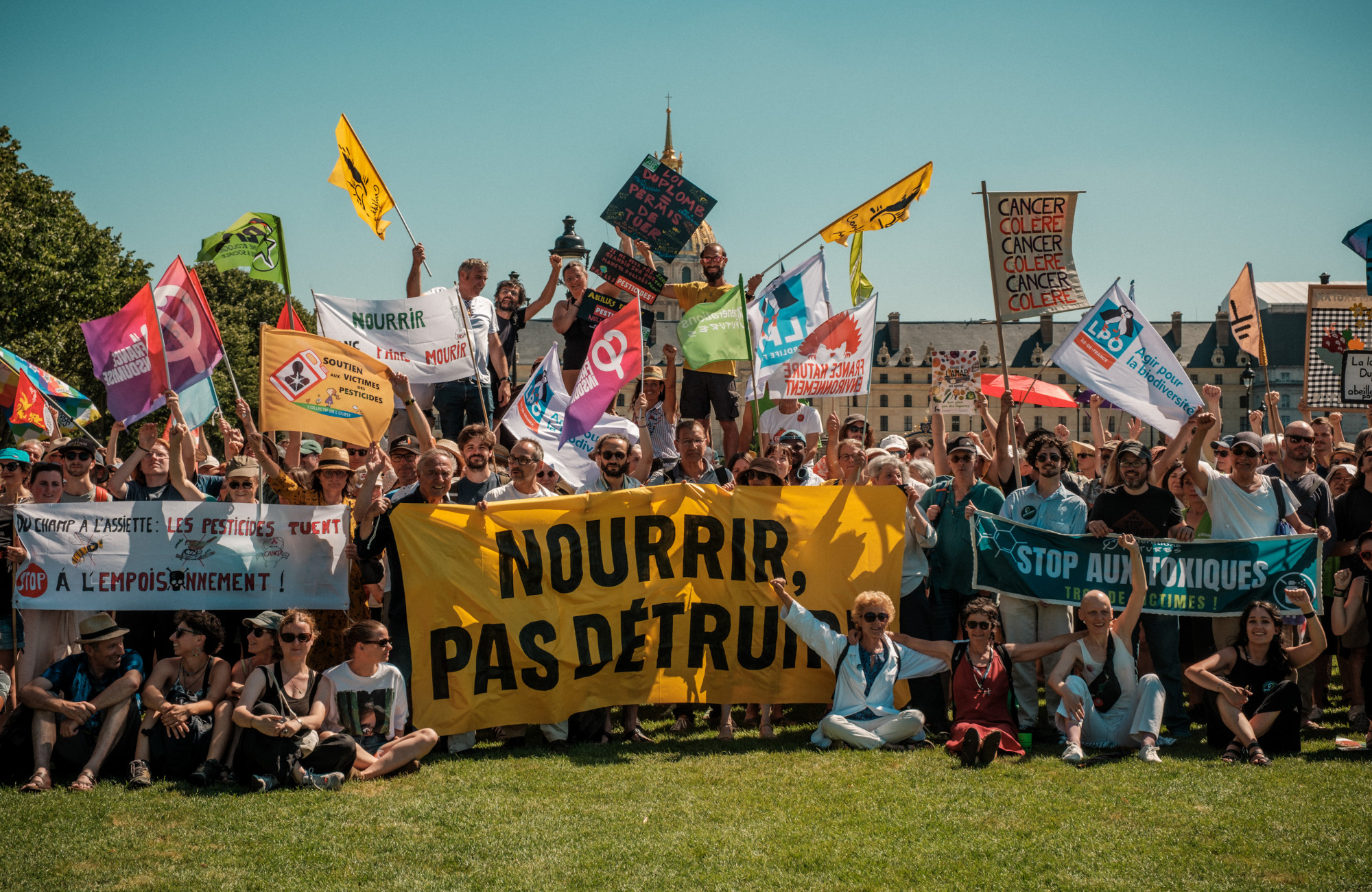
Academic research offers a different story from news media on Sri Lanka's short-lived ban on agrochemicals. Bertie Harrison-Broninski explores what really happened, and whether there's a future for national-scale organic policy.
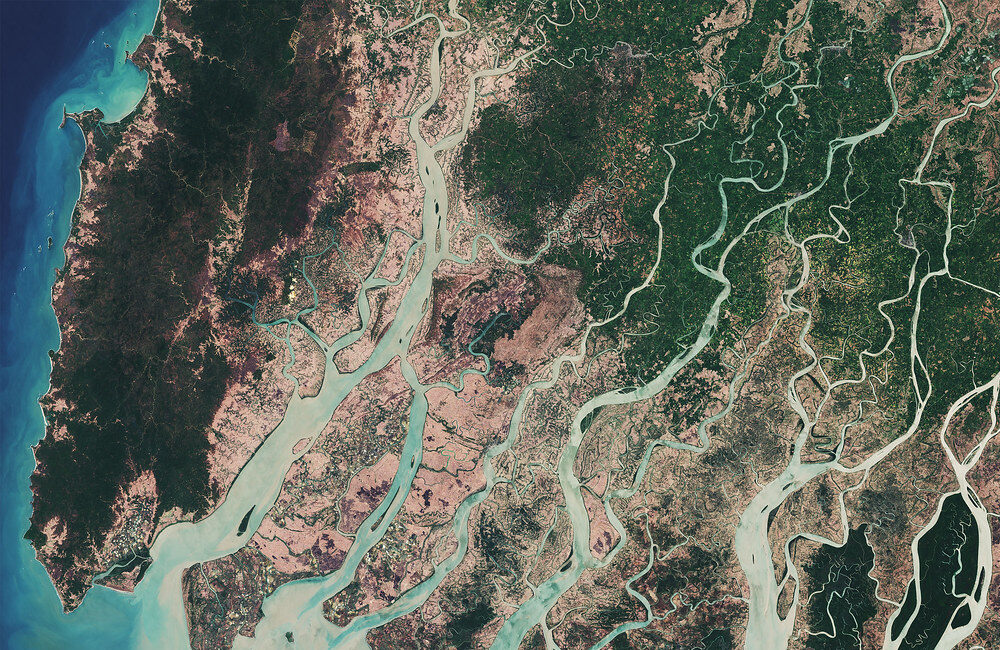
Polluted with waste and chemicals, and threatened by sprawling urbanisation, our rivers are dying. Some countries are giving them legal personhood for protection - will it work?
By
Letizia Tedesco, Josephine Z. Rapp and Petra Heil
Time is rapidly running out to prevent catastrophic climate impacts to the Earth’s polar ice sheets, glaciers and permafrost - decision-makers at COP30 must act now, say leading polar scientists.
Land tenure is key to climate goals, but carbon markets have had harrowing impacts on local communities. A new agenda on adaptation must succeed where decarbonisation has failed, say Frederike Klümper and Joanna Trimble.
Women are neglected by climate funding, despite their pivotal role in Indigenous land management and climate resilience, say Namnyak Sinandei Makko and Omaira Bolaños.
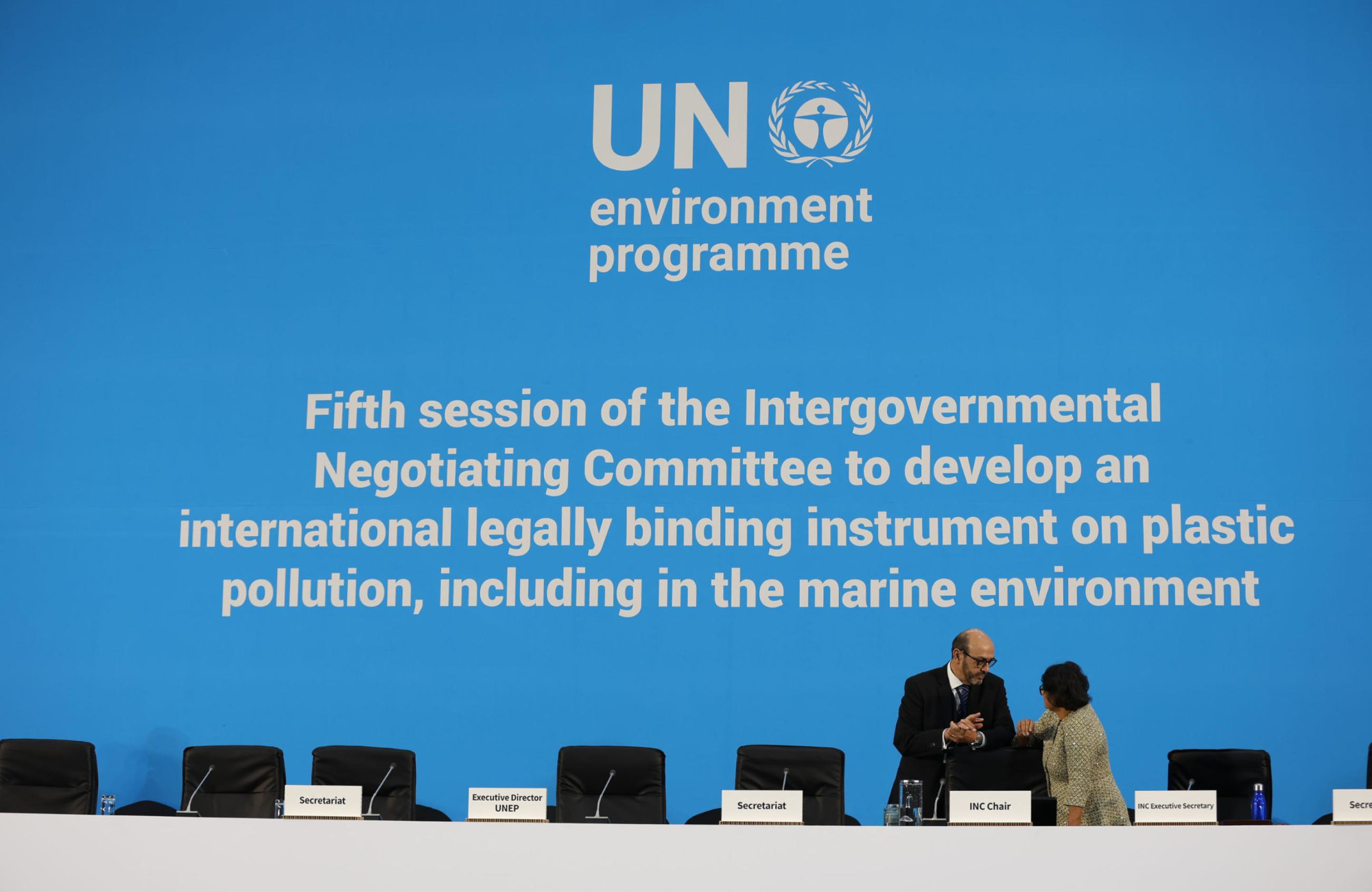
After three years of negotiations, delegates must not compromise on their principles at the UN's final session to decide international legally binding rules on plastic pollution, says Punyathorn Jeungsmarn.
Donald Trump is dismantling all sources of independent opinion in the United States to increase the power of the presidency, says John Holdren, former Presidential Science Advisor to Barack Obama.
Austin Frerick describes how US farming policy created a grain monopoly, in an extract from his acclaimed 2024 book 'Barons: Money, Power, and the Corruption of America's Food Industry'.
Europe has lost 800 farmers a day since 2010 – the sector has real issues that need fixing. Backtracking on climate will only appease lobbyists, not protesters, says Thin Lei Win.
Will this week mark the end for the EU's corporate responsibility bill? That would be a shameful legacy for Germany's FDP, says Environmental Justice Foundation CEO Steve Trent
The EU successfully regulated illegal fishing with a 'carding' system in 2010. It should take the same approach with the upcoming forced labour law, says the Environmental Justice Foundation's CEO.
The human impact of petrochemical plants along the Houston Ship Channel prove that Amnesty's recommendations to the EU are vital, say the authors of a new report.
Europe's demand for lithium is set to soar to 60 times current levels, with cobalt and graphite 15 times higher. But how will proposals for new EU mining and refining interact with the EU's role as a champion of biodiversity and development?
Ahead of a key vote in European Parliament on 1st June, Solidaridad's Catarina Vieira warns that the law risks cutting smallholder farmers out of European supply chains, forcing them into even less regulated markets.
Debt-for-climate swaps are an effective mechanism to relieve poverty and help wealthy countries meet their climate finance obligations, says Avishka Sendanayake.
The International Finance Corporation is trialling a new ‘green equity’ approach. Kate Geary from Recourse talks about why this is important, and what needs improving to phase out fossil fuel finance.
Following their new report, BankTrack's Hannah Greep discusses The Equator Principles' failure to mobilise climate finance or protect human and Indigenous rights.
Bertie spoke to Professor Andrea Baronchelli and Dr. Max Falkenberg from The IRIS Academic Research Group about rising climate scepticism and denial online.
Lauren asks Mark Bould about his new book 'The Anthropocene Unconscious'.
They discuss whether fiction goes far enough in representing narratives of climate crisis, ranging from Jane Austen’s ‘Mansfield Park’ to the 'Fast & Furious' franchise.
We believe in sharing information - but not yours.
Our funding comes from nonprofit foundations, not from selling your browsing data to companies. So we don't have a huge list of third parties for you to reject cookies from!
We only use necessary cookies for our website to function, and record aggregate data to keep track of our readership figures. We don’t store or share IP addresses visiting the front-end of our site.
If you sign up to our newsletter, we’ll safely store your contact details to use for that purpose, but otherwise, we only use necessary cookies for our website to function, and record aggregate data to keep track of our readership figures. We don’t store or share IP addresses visiting the front-end of our site.